EN
EN  ID
ID  AR
AR  ZH
ZH 
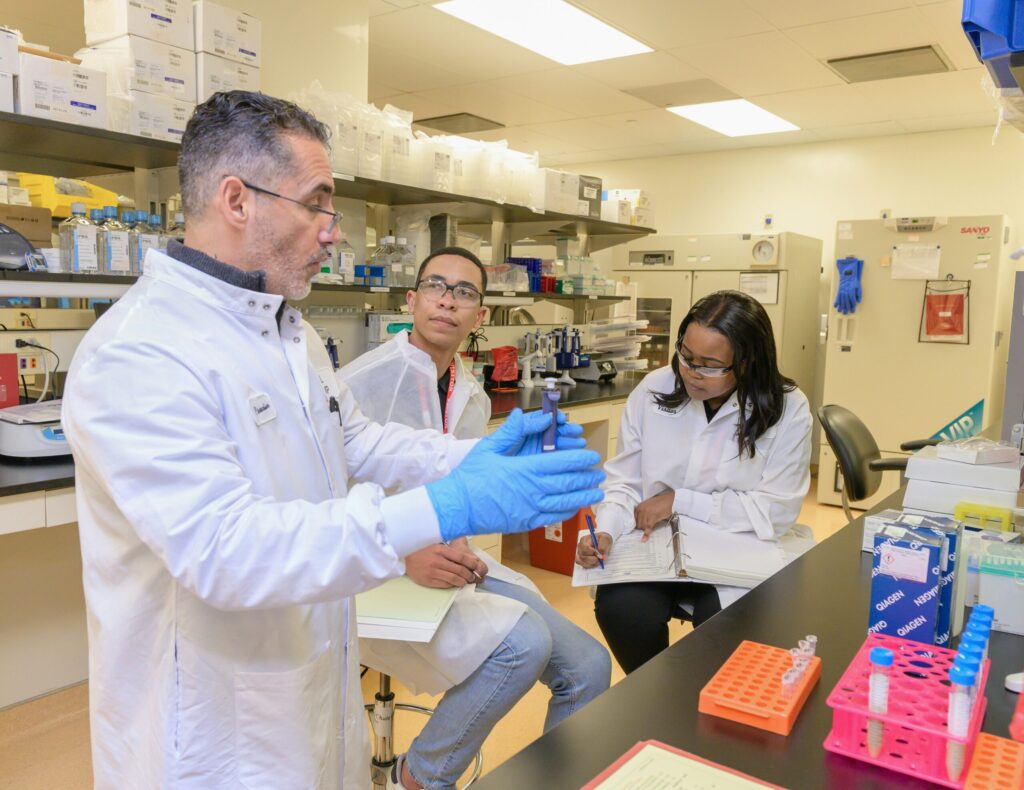
Recent research from Bandung University of Technology has produced an innovation in the healthcare sector by creating an Artificial Intelligence (AI) model to detect early symptoms of heart disease. This model was developed based on thousands of patient medical records from various hospitals in Indonesia, which were then processed using modern machine learning algorithms. The primary focus of this research is to create a diagnostic system that can operate automatically with high accuracy.
With an accuracy level of up to 91%, this AI is able to recognize early patterns that indicate the risk of coronary heart disease, heart failure, and arrhythmia. Compared with manual or semi-digital methods, this system provides faster and more precise results. Researchers state that this AI model can also learn and adapt as new data is added, making it more adaptive to current health trends.
One of the advantages of this system is its ability to integrate with cloud-based healthcare services. This allows doctors and healthcare workers in various regions, including remote ones, to access analysis results online without the need for sophisticated hardware. Testing of this system also involves collaboration with hospitals in remote areas of Kalimantan and Papua.
This research also considers ethical and data privacy aspects. The research team ensures that the data used has undergone anonymization and encryption. Furthermore, they are encouraging national health regulations to begin considering the integration of AI technology into public service systems. The next step is to conduct nationwide clinical trials to ensure the consistency of the AI system's performance across diverse geographic and demographic settings.
This AI serves not only as a diagnostic tool but also as an educational platform for patients. Patients can access information about their condition and receive recommendations for initial medical interventions, such as diet, exercise, and blood pressure control. This is expected to raise public awareness of the importance of early detection of heart disease.
Overall, this research demonstrates that AI technology has significant potential to transform Indonesia's healthcare system. With support from the government and the private sector, this technology could make a significant difference in reducing heart disease deaths and improving people's quality of life.